Indoor vs outdoor life
Indoor cats usually sit near the low end of calorie needs, while outdoor roaming can raise the target meaningfully.
 Tool For Pet
 For Cat Owners
How much to feed your cat? Plug in weight, activity, and kcal per cup.
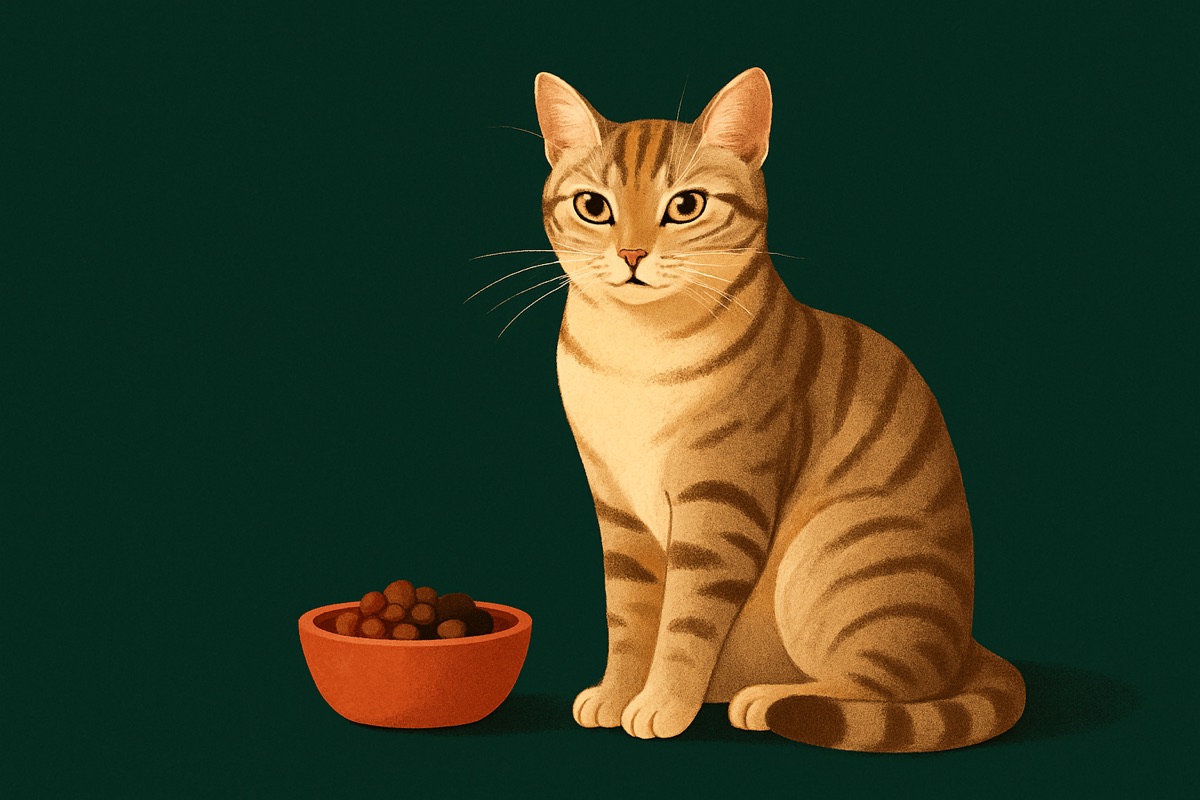
Tip
Indoor neutered cats often need less than the bag suggests. Start at the low-activity estimate and adjust over 2-4 weeks.
Cat-specific context
Cats tolerate aggressive feeding changes poorly compared with most dogs. Indoor adults often need fewer calories than the package implies, while kittens, highly active cats, and outdoor cats can need more. If an overweight cat is cut too fast, hepatic lipidosis becomes a real risk, so the safest path is slow adjustment with regular weigh-ins.
Indoor cats usually sit near the low end of calorie needs, while outdoor roaming can raise the target meaningfully.
Use the calculator for the total daily calories first, then divide those calories across cans, pouches, and dry cups.
Cats should lose slowly. Rapid restriction is exactly why hepatic lipidosis is part of every serious feline weight-loss conversation.
Checkpoints
Re-check the number after sterilization, a move from kitten to adult food, or any major activity change. If your cat stops eating, vomits repeatedly, loses weight without trying, or has diabetes, kidney disease, or urinary disease, get veterinary guidance before making bigger calorie cuts.
For weight loss, aim for roughly 0.5–1% of body weight per week, not crash dieting.
Many cats handle smaller, predictable meals better than one big serving, especially when transitioning foods.
If intake is low, shifting part of the calories into wet food can improve hydration while keeping the same total target.
FAQ
Most indoor neutered adult cats land around 180–240 kcal per day. Enter your cat's weight and activity above to get a specific estimate.
Either works, but wet food delivers more moisture and is usually better for urinary health. See the wet-vs-dry guide for a practical mix.
Yes. Use the Gain goal for actively growing kittens and feed more frequent small meals.
No. Rapid weight loss in cats can cause hepatic lipidosis. Use Lose and aim for ~1% body weight per week, confirmed with your veterinarian.
Related